
Hol Chan Marine Reserve Belize Snorkeling & Conservation Gui.
Belize is a land of breathtaking natural beauty, but perhaps its most shimmering treasure lies just beneath the turquoise waves of the Caribbean Sea. Established as a sanctuary for marine life and a playground for eco-conscious travelers, the Hol Chan Marine Reserve stands as a testament to Belize’s commitment to conservation and sustainable tourism. Whether you are a local proud of our national heritage or an international traveler seeking the ultimate snorkel experience, Hol Chan offers a glimpse into a world that is as ancient as it is vibrant.
A Glimpse into the Past: History and Establishment
The story of Hol Chan is one of visionary conservation. In the early 1980s, the barrier reef off the coast of Ambergris Caye began to show signs of stress from overfishing and unregulated diving. Recognizing that this delicate ecosystem was at a tipping point, the community of San Pedro joined forces with international environmental organizations and the Government of Belize.
In July 1987, their efforts culminated in the official establishment of the Hol Chan Marine Reserve. It was the first of its kind in Belize, marking a historic shift toward marine protected areas (MPAs). Originally covering roughly 3 square miles, the reserve was created to protect a critical “cut” or channel in the reef that had long been a focal point for marine biodiversity.
What’s in a Name? “Little Channel”
The name “Hol Chan” is rooted in the rich Mayan heritage of Belize. In the Mayan language, “Hol Chan” translates to “Little Channel.” This refers specifically to the deep fracture in the Belize Barrier Reef that allows marine life to pass between the deep outer sea and the shallow inner lagoon. This natural gateway is the heart of the reserve and the primary reason for its incredible density of marine species.
The Four Zones: Key Features and Significance
Hol Chan is not just one uniform area; it is a meticulously managed ecosystem divided into four distinct zones, each serving a unique ecological purpose:
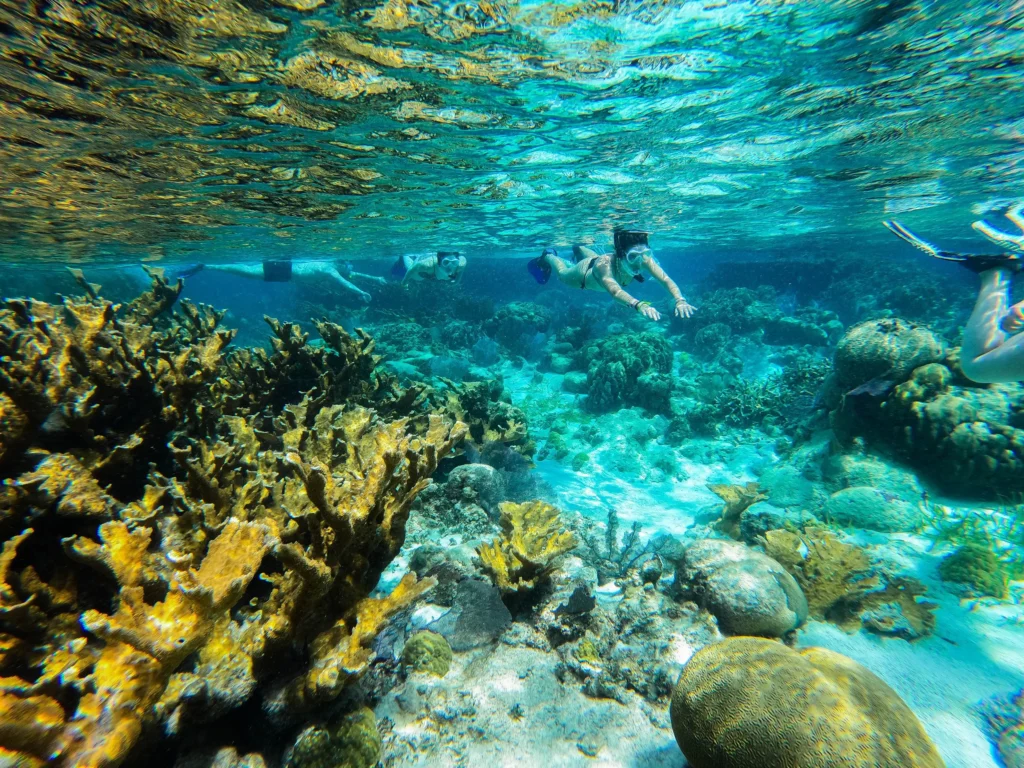
- Zone A (The Coral Reef): This is the heart of the reserve, centered around the “Little Channel.” It is home to massive brain corals, elkhorn corals, and a dizzying array of colorful reef fish.
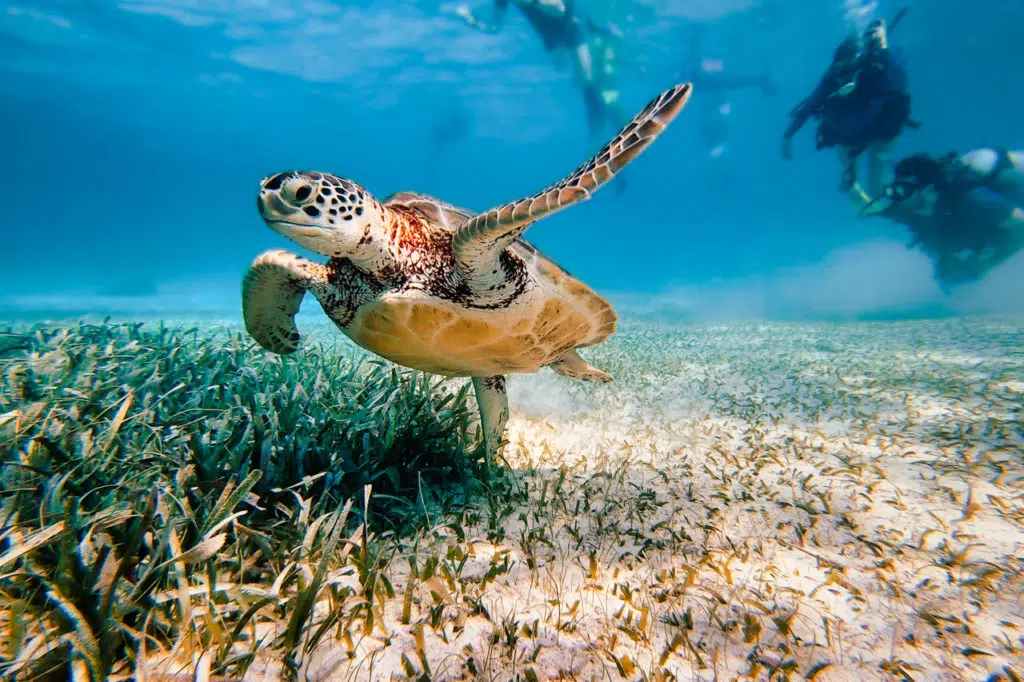
- Zone B (The Seagrass Beds): Often overlooked, these underwater meadows are critical nurseries for juvenile fish and feeding grounds for queen conchs and sea turtles.
- Zone C (The Mangroves): The tangled roots of the mangroves on the leeward side of Ambergris Caye provide essential coastal protection and a safe haven for young marine life.
- Zone D (Shark Ray Alley): Perhaps the most famous section, this shallow sandy plateau is where nurse sharks and southern stingrays congregate, offering one of the most thrilling (and safe) wildlife encounters in the world.
Why Hol Chan Matters: Benefits and Importance
The significance of Hol Chan extends far beyond its beauty. It provides a multi-faceted benefit to the nation of Belize:
- Environmental Protection: By prohibiting fishing in the core zones, the reserve acts as a “seed bank.” As fish populations overflow within the protected area, they migrate to other parts of the reef, helping to replenish stocks for local fishers.
- Cultural Heritage: The reef is an inseparable part of the Belizean identity. Preserving Hol Chan ensures that future generations can experience the same natural wonders as their ancestors.
- Economic Engine: The reserve is a cornerstone of the tourism industry in Northern Belize. It supports hundreds of jobs for tour guides, boat captains, and hospitality workers in San Pedro and Caye Caulker.
By the Numbers: Visitor Statistics and Economic Impact
Hol Chan is consistently ranked as the most visited marine protected area in Belize. While annual numbers can fluctuate, the reserve typically welcomes between 50,000 and 70,000 visitors per year.
The economic impact is substantial. Through entrance fees (which fund the ongoing management of the park) and the “multiplier effect” of tourism spending—including gear rentals, boat tours, and local dining—Hol Chan contributes millions of dollars annually to the Belizean economy. It is a prime example of how “green” conservation can lead to “gold” economic stability.
Why You Should Visit
If you haven’t yet hovered over the vibrant corals of Zone A or felt the rush of a nurse shark gliding past you in Shark Ray Alley, you are missing one of the world’s great natural spectacles.
For the international tourist, it is a chance to see a healthy reef system teeming with life—a rarity in many parts of the world. For the local Belizean, it is a chance to reconnect with the wild heart of our country. Hol Chan isn’t just a site to see; it’s an experience that reminds us why the ocean is worth protecting.