
The Guardian of the Coast: Exploring the Belize Barrier Reef
Belize is home to a natural wonder so vast it can be seen from space and so vibrant it supports a staggering percentage of the world’s marine biodiversity. The Belize Barrier Reef, often called the “Great Barrier Reef of the West,” is not just a collection of coral; it is the lifeblood of a nation and a UNESCO World Heritage site that beckons travelers from every corner of the globe.
A Legacy in the Tides: History and Establishment
The history of the Belize Barrier Reef stretches back millennia, long before the first Maya civilizations flourished on the mainland. Geologically, the reef began forming over 10,000 years ago as sea levels rose following the last Ice Age. For centuries, it served as a natural rampart, protecting the coastline and providing a bountiful harvest for indigenous communities.
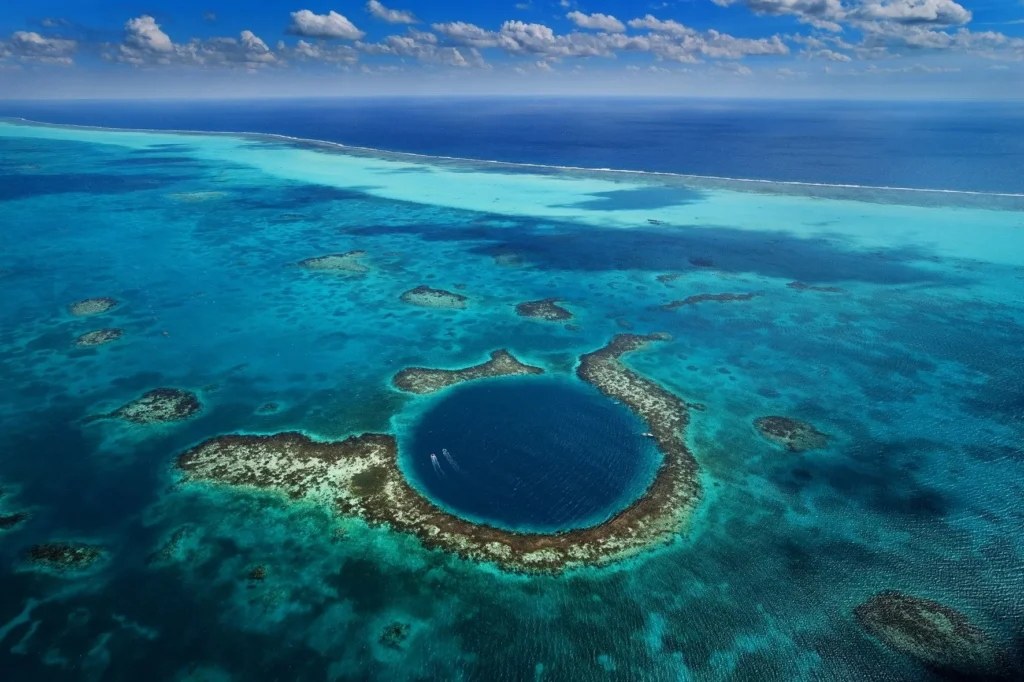
In more recent history, the reef’s global importance was formally recognized in 1996, when it was inscribed as a UNESCO World Heritage Site. This designation was a landmark moment for Belize, solidifying its role as a world leader in marine conservation. The reef is comprised of seven protected areas, including the famous Blue Hole Natural Monument and the Half Moon Caye Bird Sanctuary.
What’s in a Name? The Great Barrier Reef of Belize
While it is scientifically known as the Belize Barrier Reef, it is frequently referred to as the “Great Barrier Reef of Belize” or the “Northern Hemisphere’s Largest Barrier Reef.” Its name is a literal description of its function: a massive coral structure that acts as a “barrier” between the deep Caribbean Sea and the shallow coastal lagoons of Belize. It is the largest reef system in the Northern and Western Hemispheres and the second-largest in the entire world.
Nature’s Masterpiece: Key Features and Significance
The Belize Barrier Reef is a complex mosaic of ecosystems spanning approximately 190 miles (300 kilometers). It is uniquely characterized by its diversity of formations:
- Atolls: Belize is home to three of the Caribbean’s four true offshore atolls—Lighthouse Reef, Turneffe Atoll, and Glovers Reef.
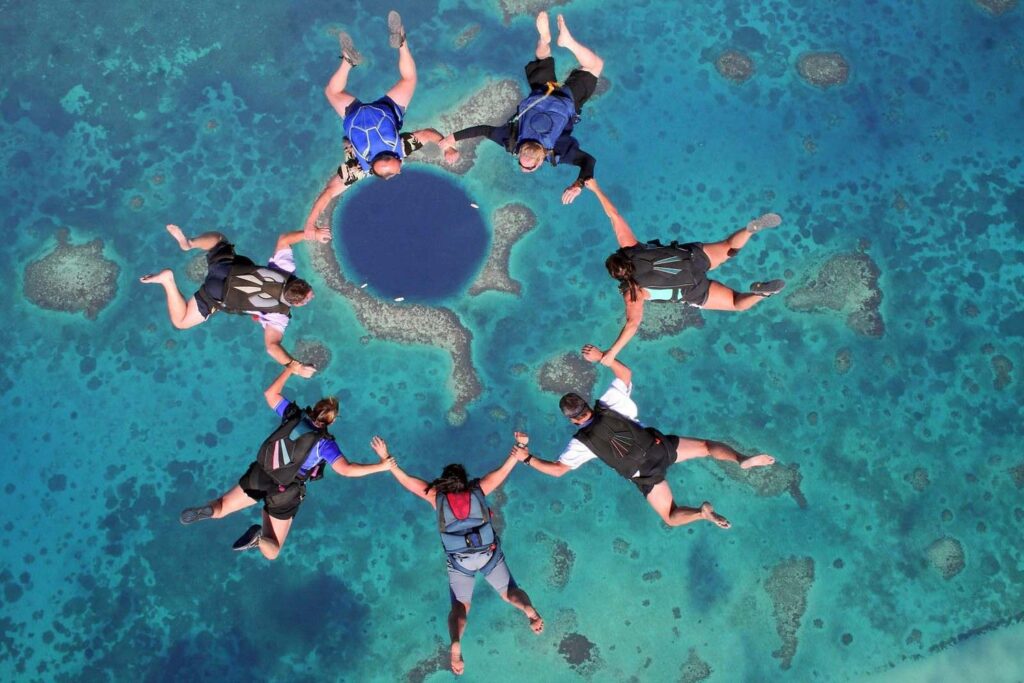
- The Great Blue Hole: A world-renowned marine sinkhole that offers a hauntingly beautiful glimpse into prehistoric geological shifts.
- Biodiversity Hotspot: The reef supports over 500 species of fish, 100 species of coral, and critical populations of endangered species like the West Indian Manatee and the Green Sea Turtle.
The Triple Bottom Line: Environmental, Cultural, and Economic Benefits
The reef is much more than a scenic backdrop; it provides essential services that sustain the country:
- Environmental Benefits: The reef acts as a massive breakwater, absorbing the energy of hurricane-driven waves and preventing catastrophic coastal erosion. It also serves as a critical carbon sink, helping to mitigate the effects of climate change.
- Cultural Significance: For the people of Belize—especially the Garifuna, Maya, and Mestizo coastal communities—the reef is a source of identity, folklore, and traditional knowledge.
- Economic Impact: The reef is the primary engine of the Belizean economy. A 2018 study estimated that the reef contributes up to 15% of Belize’s Gross Domestic Product (GDP). It supports the livelihoods of over 200,000 people, from artisanal fishers to international dive masters.
By the Numbers: Visitor Statistics and Revenue
The Belize Barrier Reef is the undisputed star of the nation’s tourism sector.
- Visitor Statistics: Annually, the reef attracts approximately 200,000 to 300,000 snorkelers and divers. This represents a significant portion of all overnight and cruise arrivals to the country.
- Estimated Revenue: The reef is estimated to generate over $500 million USD annually through tourism, shoreline protection, and fisheries. Its value as a natural asset is practically immeasurable when considering the long-term sustainability of the country.
Why It Is Important to Belize
For Belize, the reef is a “Living Pharmacy” and a “National Safety Net.” It provides food security through its fisheries and physical security through its storm protection. Most importantly, it is a symbol of national pride. Belizeans view the reef not as a resource to be exploited, but as a heritage to be guarded. This is why Belize became the first country in the world to ban offshore oil exploration in its waters—a move to protect the reef forever.
Why Tourists Should Visit
To visit the Belize Barrier Reef is to witness one of the last great wildernesses on Earth.
- For Adventure Seekers: You can dive into the depths of the Blue Hole or snorkel alongside gentle nurse sharks and stingrays at Shark Ray Alley.
- For Nature Lovers: The reef offers unparalleled clarity and color, with visibility often exceeding 100 feet, making it a photographer’s dream.
- For the Conscious Traveler: Visiting the reef allows you to participate in “citizen science” and support eco-tour operators who are dedicated to the reef’s survival.
The Belize Barrier Reef is not just a destination; it is a profound reminder of the beauty and fragility of our planet. Whether you are gliding over a forest of elkhorn coral or watching a sunset over an offshore caye, the reef leaves an indelible mark on your soul.
Related: Hol